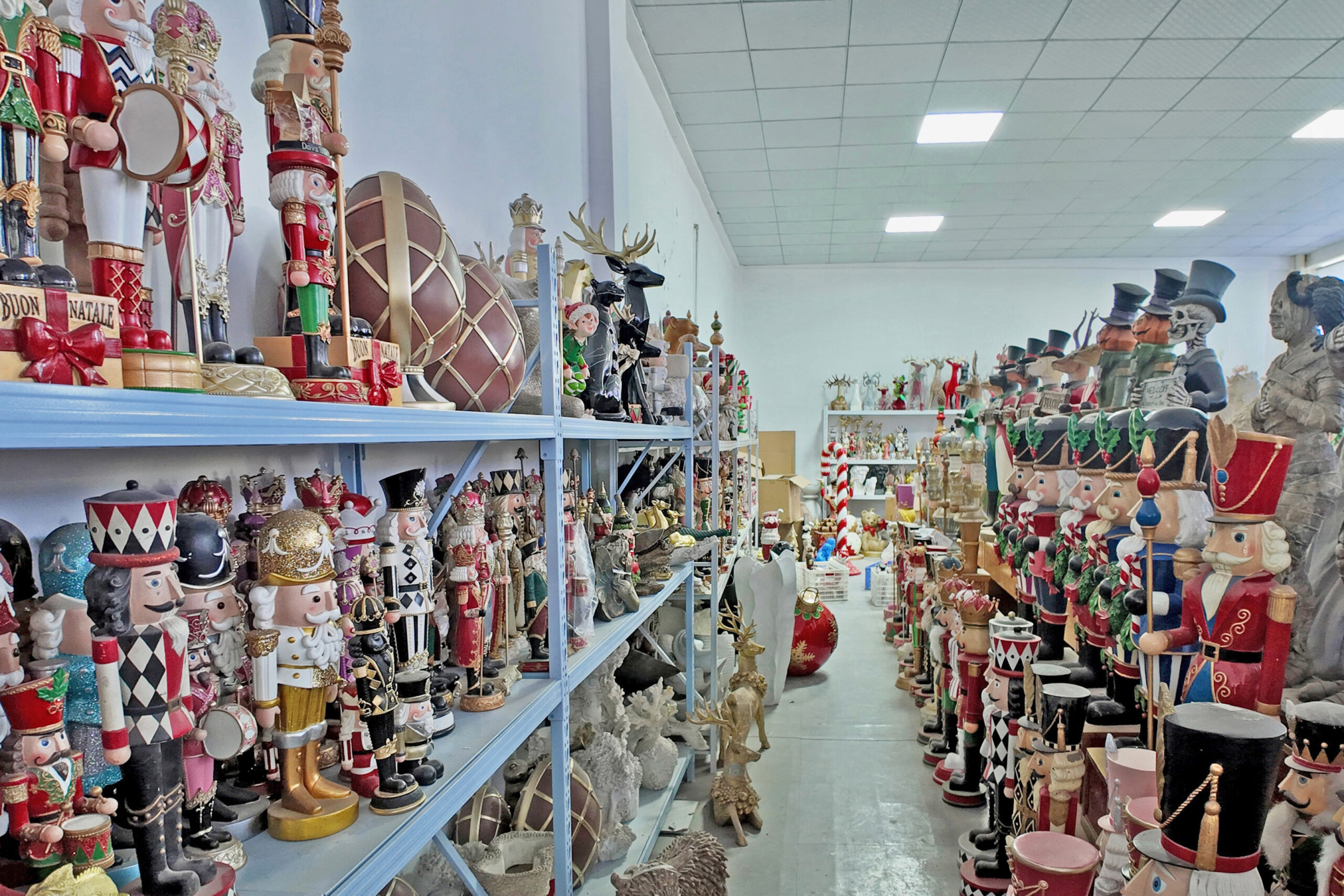
A Retail Buyer's Guide to Sourcing High-Quality Polyresin Decorations
November 17, 2025 • By Vinci GUO
Sourcing high-quality polyresin decorations requires a careful evaluation of material durability, manufacturing standards, supplier certifications, and product customization capabilities. The key is to focus on UV-resistant formulations and detailed finishing from suppliers with proven track records. This strategic approach ensures products are engineered to withstand outdoor weather conditions, maintaining their color integrity and structural stability for lasting customer satisfaction.
As the global home decor market continues to grow, polyresin decorations represent a significant segment due to their versatility and cost-effectiveness. For procurement managers, importers, and retailers in the USA, Europe, and Australia, understanding how to source premium products is crucial for maintaining a competitive advantage and ensuring customer satisfaction.
What Makes Polyresin Decorations High-Quality?
Premium polyresin decorations are distinguished by several key characteristics. The foundation lies in the resin formulation itself—high-grade synthetic polymers provide superior durability compared to traditional materials like ceramic or plaster.
-
UV Resistance: This is paramount for outdoor items. Quality manufacturers incorporate UV stabilizers into their polyresin, preventing color fading and material degradation from sunlight. This is especially important for garden decorations, water fountains, and seasonal items that remain outdoors.
-
Surface Finishing Quality: This separates premium products from budget alternatives. Look for hand-painted details, multi-layer coating systems, and meticulous attention to texture consistency. Professional manufacturers like Fengtong Crafts employ skilled artisans who apply multiple finish coats and quality-check each piece individually.
How to Evaluate Polyresin Decoration Suppliers
A systematic approach is essential for evaluating suppliers, focusing on their manufacturing capabilities, quality systems, and market compliance.
-
Assess Manufacturing Capabilities: Start by evaluating the supplier’s production facility size and equipment sophistication. Established manufacturers typically operate facilities exceeding 8,000 square meters with dedicated molding, finishing, and quality control areas.
-
Verify Certifications and Compliance: This is non-negotiable for international markets. Verify that suppliers hold relevant certifications, such as a documented quality management system (QMS) and BSCI for social compliance. It is also important to confirm that products meet the general safety standards required in your specific target market.
-
Review Production Capacity and Lead Times: These factors directly impact your inventory management. Reliable suppliers maintain consistent production schedules and communicate proactively about potential delays. Request detailed production timelines and information about their backup capacity during peak seasons.
-
Evaluate Customization Capabilities: This is what distinguishes a strategic partner from a basic manufacturer. Look for suppliers offering design modification services, private labeling options, and the ability to develop exclusive products for your market.
What Quality Control Measures Should You Expect?
A comprehensive quality control (QC) system protects your brand reputation and minimizes returns. Professional manufacturers implement multi-stage inspection processes.
-
Material and Production Testing: QC should begin with raw material verification and continue through each production phase. This includes stress testing for structural integrity, weather-resistance testing for outdoor products, and colorfastness testing to ensure a consistent appearance over time. Reputable suppliers provide detailed test reports for each production batch.
-
Pre-Shipment Inspections: This offers an additional layer of quality assurance. Many experienced suppliers work with third-party inspection companies or provide detailed inspection reports with photographs documenting product quality before shipment.
-
Packaging Quality: Superior packaging directly impacts the product’s condition upon arrival. Quality-focused suppliers use protective materials, custom-fitted inserts, and moisture control measures to prevent damage during international shipping.
How to Optimize Your Sourcing Strategy
Strategic sourcing requires balancing quality, cost, and delivery while building long-term supplier relationships.
-
Develop Clear Specifications: Create detailed quality specifications and communicate these requirements explicitly to potential suppliers during the evaluation process.
-
Stay Aware of Market Trends: Source products that align with consumer preferences. Current trends favor eco-friendly materials, minimalist designs, and multi-functional decor.
-
Plan Your Volume: Larger order quantities typically yield better pricing, but require careful demand forecasting. Consider framework agreements with suppliers to secure favorable terms while maintaining ordering flexibility.
-
Mitigate Supply Chain Risks: Diversify your supplier base, maintain safety stock for best-selling items, and establish backup supplier relationships for critical products.
Conclusion
Successful polyresin decoration sourcing requires thorough supplier evaluation, clear quality standards, and strategic relationship-building. By focusing on suppliers who demonstrate manufacturing excellence, maintain international compliance, and offer the customization needed for market differentiation, you can build a resilient and profitable business.
The investment in quality sourcing pays dividends through reduced returns, increased customer satisfaction, and a stronger brand reputation.
Ready to Source Premium Decorations?
Partner with Xiamen Fengtong Crafts for durable, high-quality manufacturing. Get a free quote for your next project.